

Greysteel Massacre remembered 33 years on
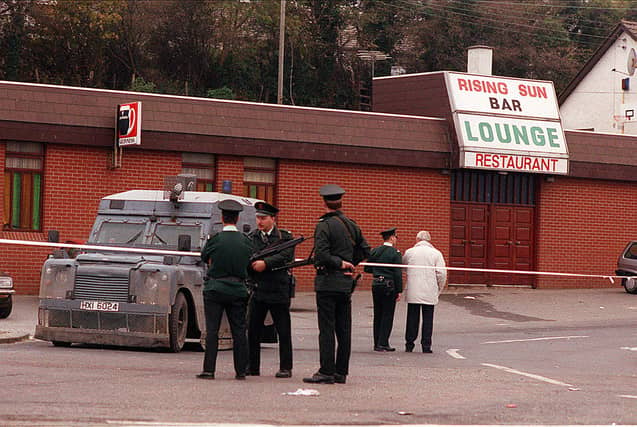

The Greysteel Massacre resulted in eight fatalities with a further 19 injured at the Rising Sun bar in 1993.
Alliance Party spokesperson for East Londonderry, Alderman Richard Brown Stewart, has paid tribute to the victims of the Greysteel massacre on the 33rd anniversary of the atrocity.
On the evening of 30 October 1993, eight people were killed by the UFF in the Rising Sun bar on the evening of October 30, 1993. The atrocity was part of a renewed spiral of violence in the wake of the Shankill bomb a week earlier.
Members of the UDA (Ulster Defence Association), a loyalist paramilitary group, opened fire on civilians in the crowded pub during a Halloween party.
When they entered the pub, one of the shooters shouted “Trick or treat?” before the carnage.
Eight people were killed and 19 wounded, including 76-year-old Samuel Montgomery who passed away six months later from injuries sustained in the attack.
Karen Thompson (19), Stephen Mullan (20), John Moyne (50), John Burns (54), Moira Duddy (59), Joseph McDermott (60) and James Moore (81) lost their lives.
The Rising Sun bar was targeted because it was frequented by Catholics, although two of the victims caught in the crossfire were Protestant.
The UDA claimed responsibility using their cover name Ulster Freedom Fighters (UFF), saying the attack was revenge for the Shankill Road Bombing by the Provisional IRA a week earlier which claimed the lives of nine civilians including seven-year-old Michelle Baird.
Four men; Stephen Irwin, Geoffrey Deeney, Torrens Knight and Brian McNeill were sentenced to life imprisonment for the massacre in 1995.
They were later released in 2000 under the terms of the Good Friday Agreement.
Alderman Brown Stewart said: “Today, we remember the eight people who lost their lives in the Greysteel massacre 33 years ago.
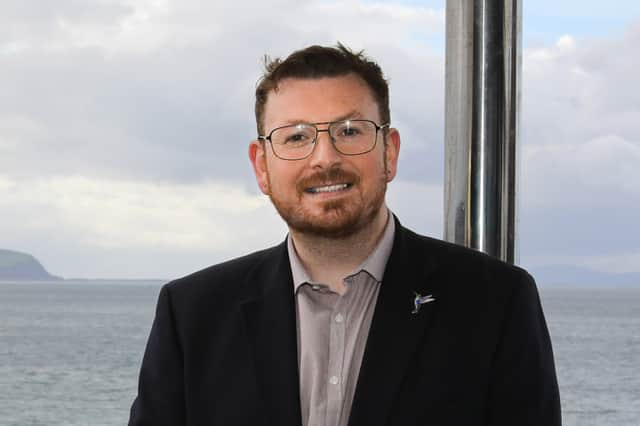
“My thoughts are with their families, their loved ones and everyone who continues to carry the pain of that terrible night.”
He said the anniversary is a reminder of the “unimaginable suffering” that was inflicted across society in the darkest of times.
“Every victim was somebody’s loved one, somebody’s friend, and somebody whose life and future were cruelly taken away,” Alderman Brown Stewart added.
“Violence and sectarian hatred achieved nothing but heartbreak, suffering and division. We must never lose sight of the human cost of our past, nor forget the families who continue to live with the consequences.
“Thirty-three years on, remembering these atrocities is not about reopening old wounds, but about acknowledging the pain endured and ensuring future generations understand the importance of peace, reconciliation and mutual respect.”