

Police launches Christmas anti-drink/drug drive campaign
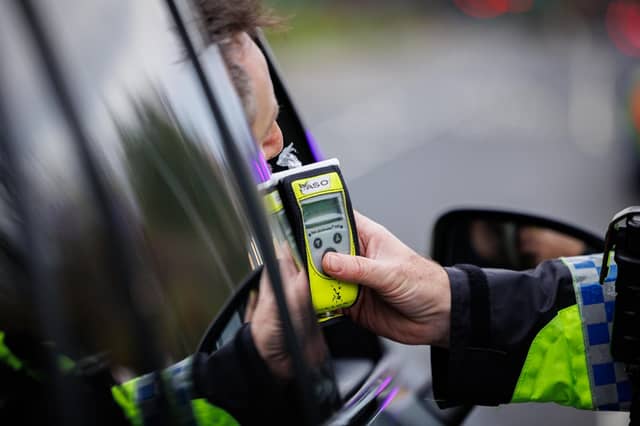

The Police Service of Northern Ireland is urging drivers to think about the devastating consequences of drink or drug driving ahead of its annual Operation Limit campaign
The winter enforcement campaign is part of the Police Service’s wider Operation Season’s Greetings campaign, and runs from today, 26 November until 1 January 2027.
Chief Superintendent Sam Donaldson says: “This year we are asking the public to think about the devastation that can result from driving after consuming alcohol or taking drugs.
“We know, for many people, it is unthinkable to drive after consuming alcohol or taking drugs, however, we are still making arrests for this offence.
“Between 1st January and 31st October 2026, there were 2,327 arrests for drink/drug driving offences in Northern Ireland.
“During our campaign last year, which ran from 1st December 2025 to 1st January 2026, we conducted 5,900 preliminary breath tests, with 292 arrests made for drink/drug driving. The highest detection was 172μg/100ml - almost five times the legal limit of 35μg/100ml.
“These figures are shocking, and clearly show too many people are prepared to take the risk or, worse, find it acceptable.
"Drink or drug driving increases the risk of being involved in a collision as it reduces your reaction time and the ability to make decisions. It can have life-changing, catastrophic consequences.
“Not only is the driver at risk, but it places every single road user at risk with the impact felt through families and entire communities.
“Nothing is worth being responsible for changing people’s lives in the worst possible way.
“Our appeal also extends to anyone who suspects a drink/drug driver. Report it immediately or call out the behaviour by refusing to get in a car with a drink/drug driver. It could save a life.”
Devastating consequences
The Police Service has worked with Peter Dolan and his family to produce a video in which Peter talks about the devastating consequences of drink-driving.
Peter’s son, Enda, died after being struck by a drink-driver whose van mounted the footpath in south Belfast in October 2014. He was 18 years old.
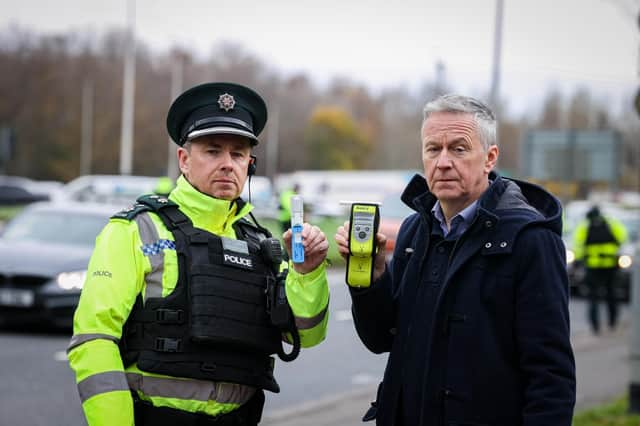
“We are serving a life sentence not having Enda with us,” says Peter, “and every hour, of every day, we’re thinking about him.”
In the video, Peter makes this appeal: “Do not get into a vehicle if someone is high on drugs, or over the limit in relation to alcohol because the consequences can be devastating.”
Road safety operations
Chief Superintendent Donaldson says targeted proactive operations will run day and night, with coordinated road safety operations in border counties with colleagues from An Garda Síochána Traffic Corp.
“Road policing officers and local and neighbourhood policing teams will be working alongside Tactical Support Group using authorised vehicle checkpoints as a very visible, physical deterrent to anyone thinking about drink or drug driving,” explains Chief Superintendent Donaldson.
“In addition to our authorised checkpoints, every driver or motorcyclist stopped by police, whether for speeding, using a mobile phone, or committing any moving traffic offence can expect to be breathalysed.
“Additionally, a number of our Roads Policing, Tactical Support Group and local District officers will also have Drugwipes at their disposal which will allow us to target those using illegal drugs while driving.
"Our pilot commenced in August 2024, since then officers have conducted approximately 233 tests - 123 have tested positive for cannabis and/or cocaine.
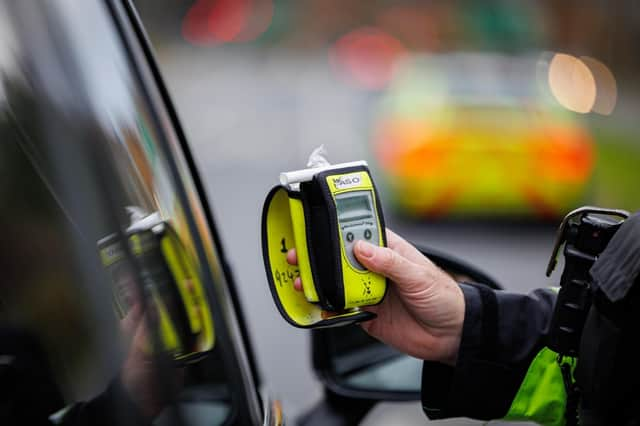
“These figures evidence that when the circumstances allow for officers to conduct a drugs wipe test there is approximately a 50 per cent positive return rate, which is really concerning.
“Anyone involved in a collision or who we suspect may have consumed alcohol or taken drugs will also be tested."
Chief Superintendent Donaldson appeals to all drivers: “We are asking you to make good choices and to give 100 per cent attention to the road at all times, to ensure everyone on the roads get home safely. Use public transport, book a taxi or organise a lift with someone who is not drinking.
“We all share the roads, so we all share the responsibility for road safety. Remember the fatal five - never drive after drinking or taking drugs, slow down and do not speed, do not use your mobile phone while driving, pay greater attention to your surroundings, and always wear your seat belt.
"If everyone follows this advice, then together we can save lives and reduce injuries on our roads.”